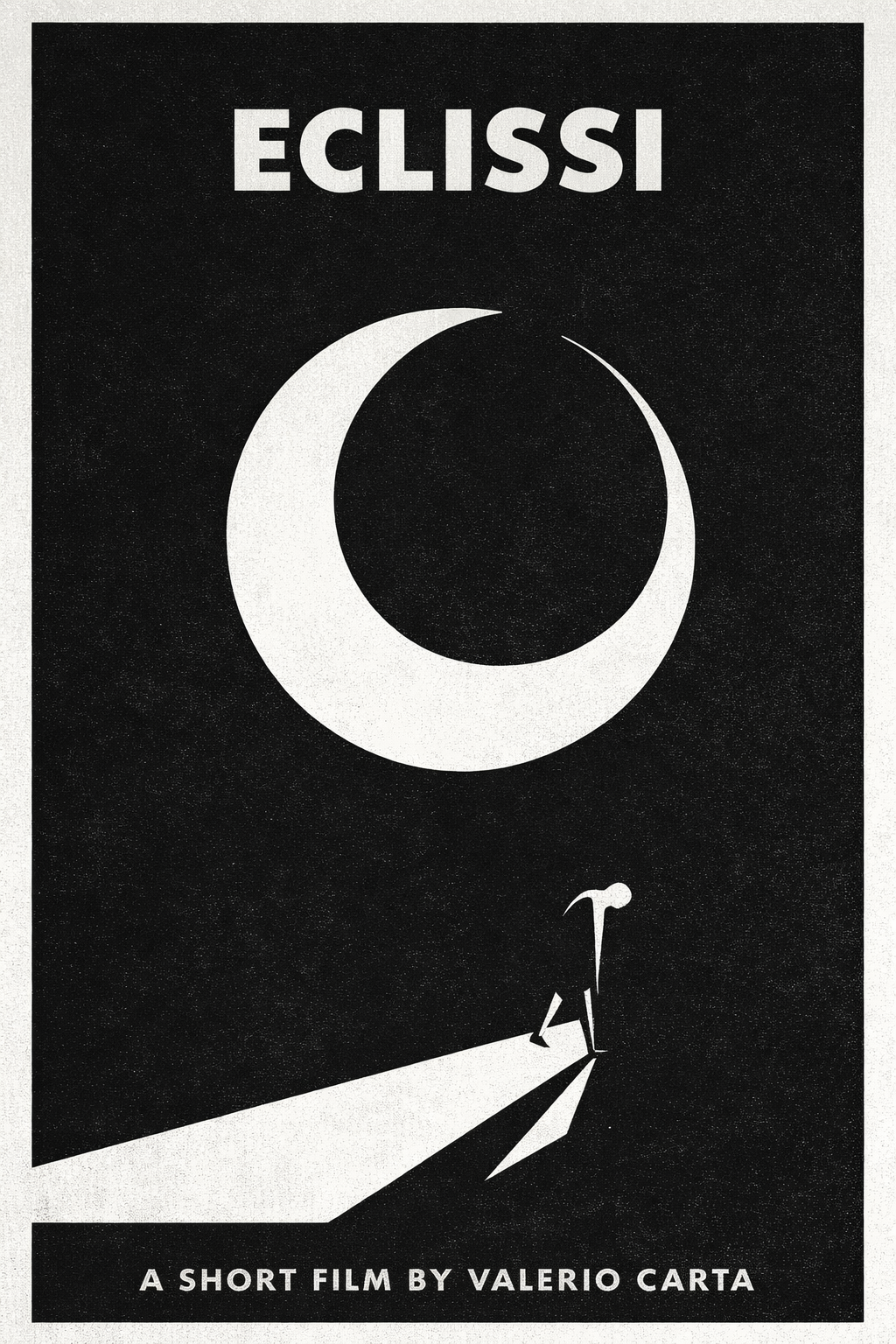
Italy ~ 2019 ~ Short

WORLD PREMIERE
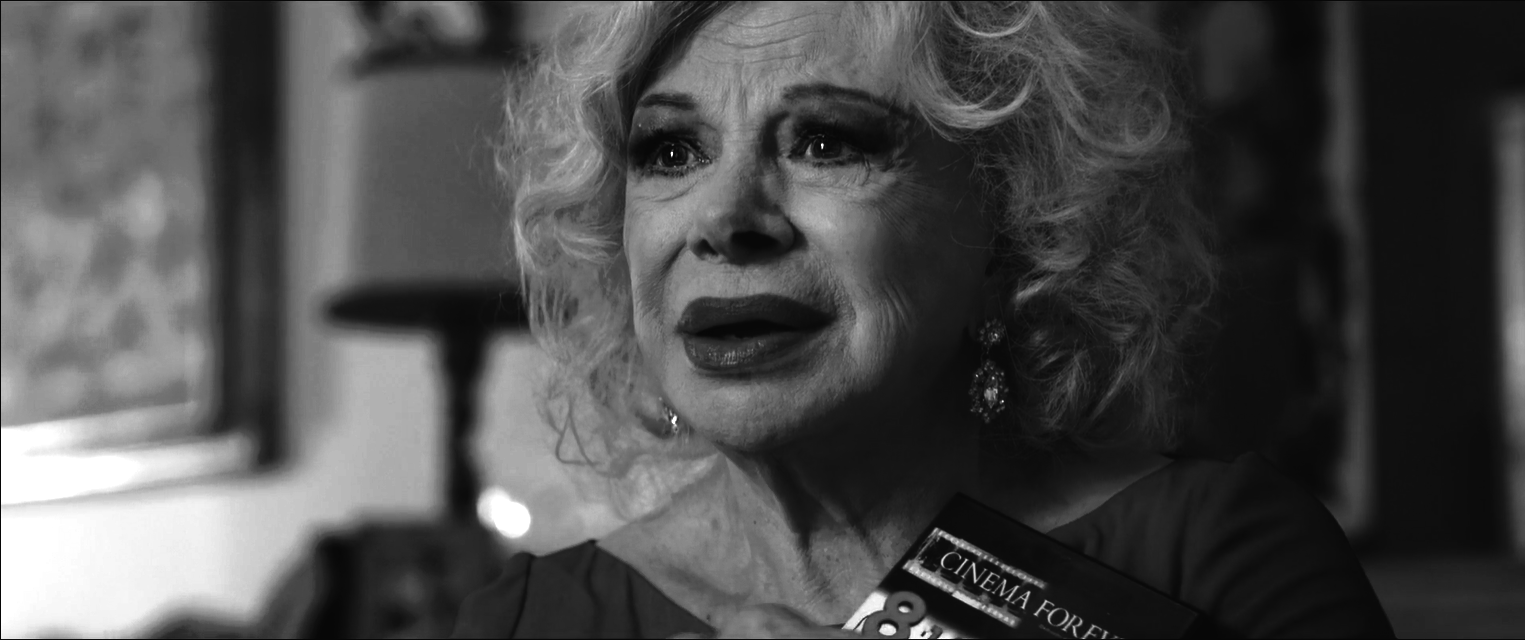
An actress at the edge of time confronts the fading image of herself.
SYNOPSIS
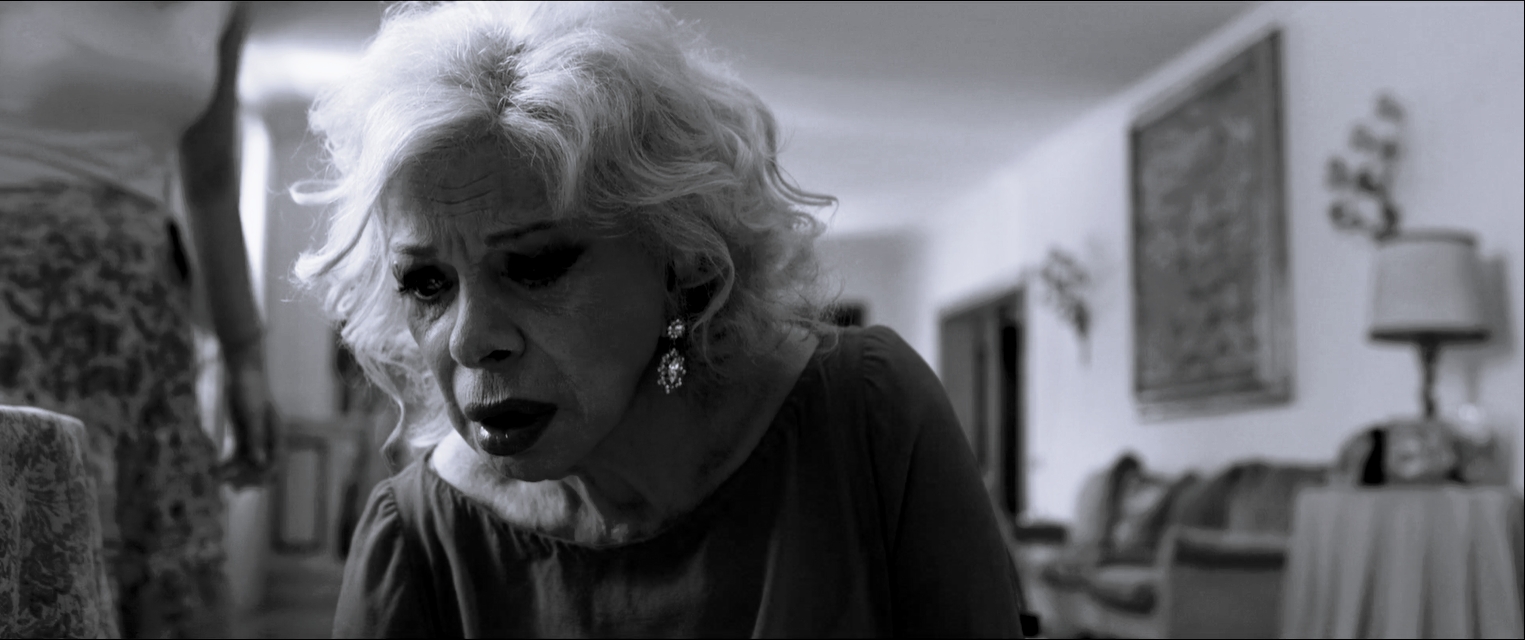
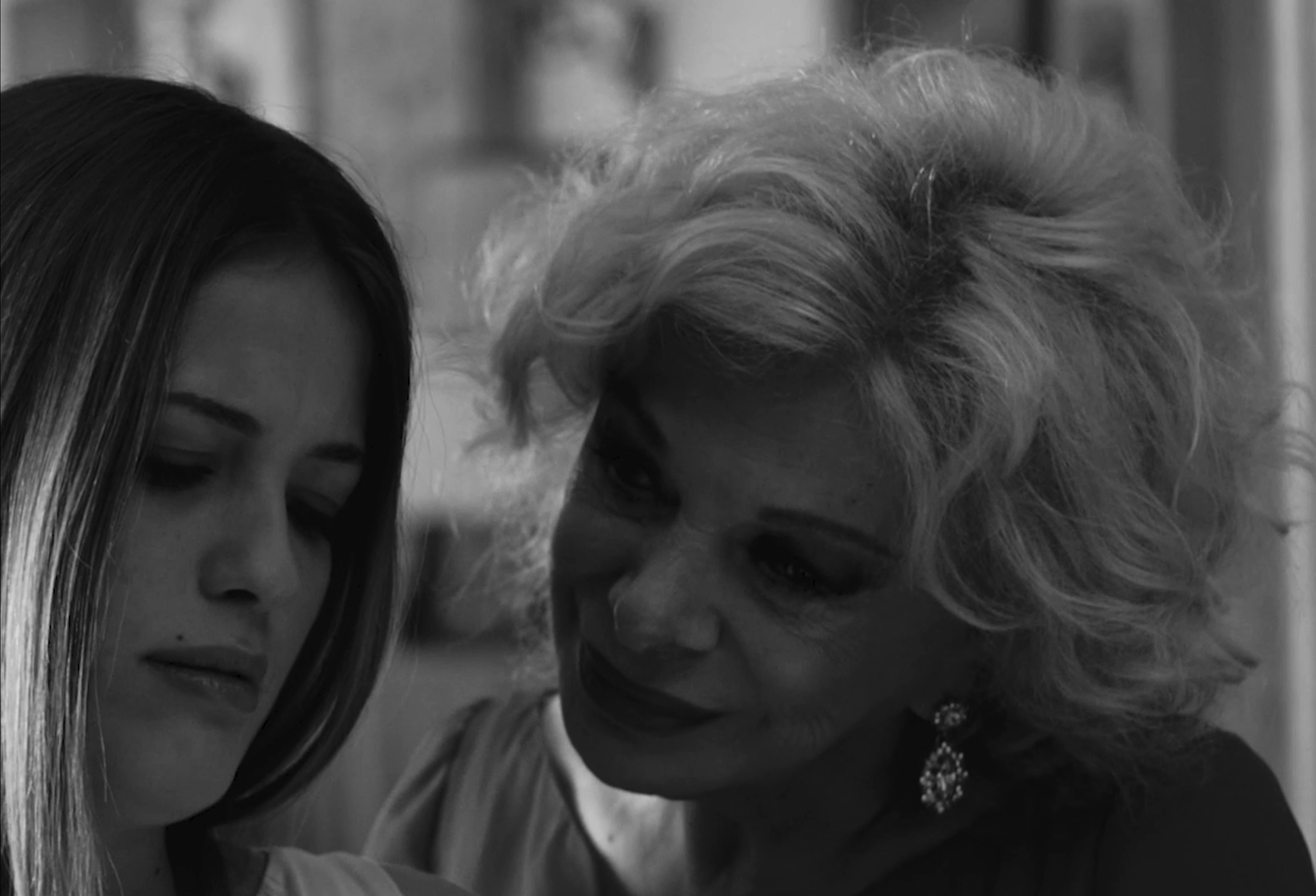
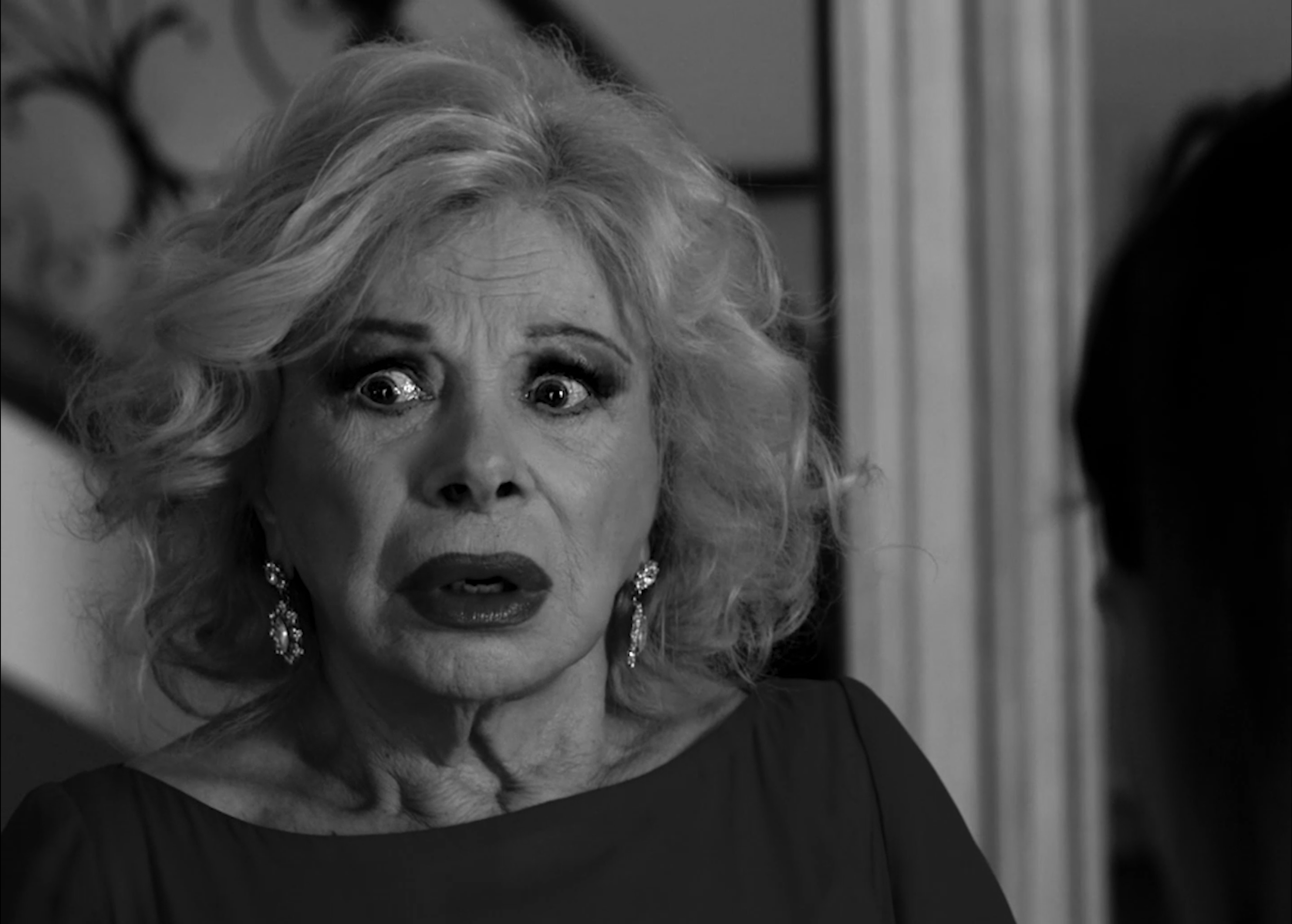
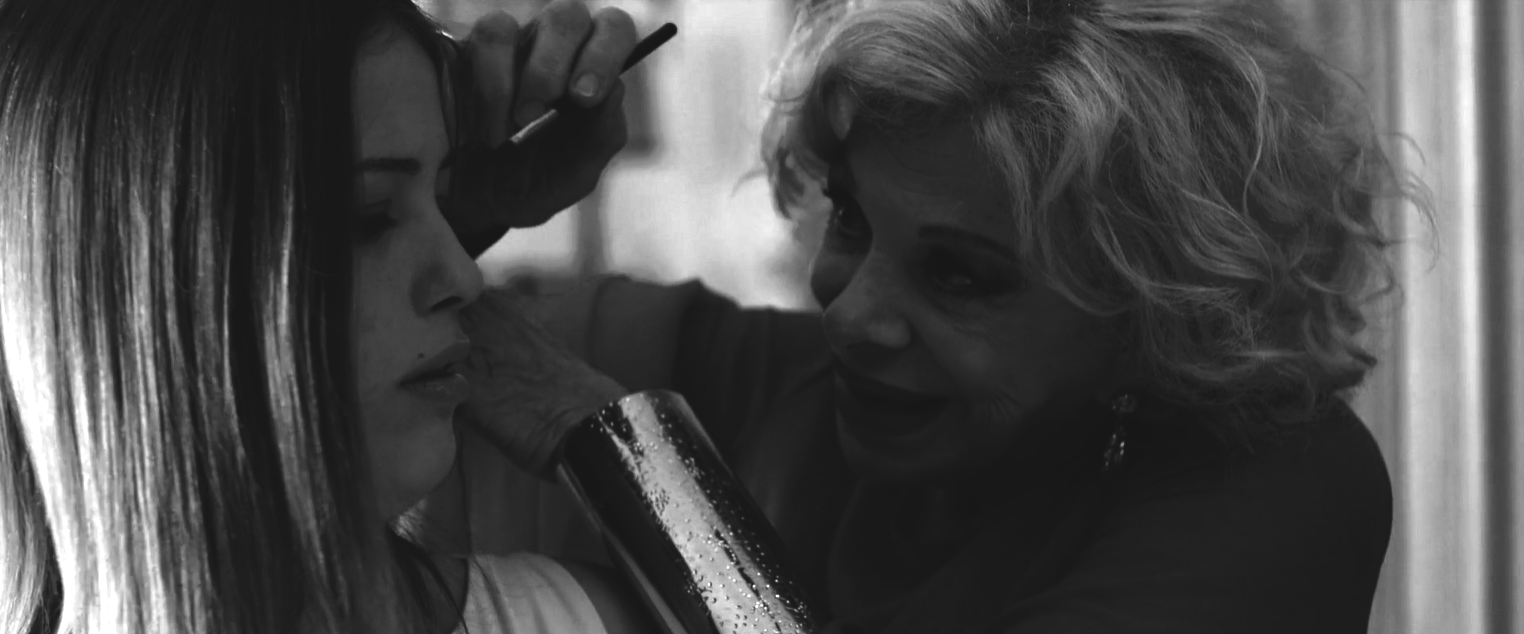
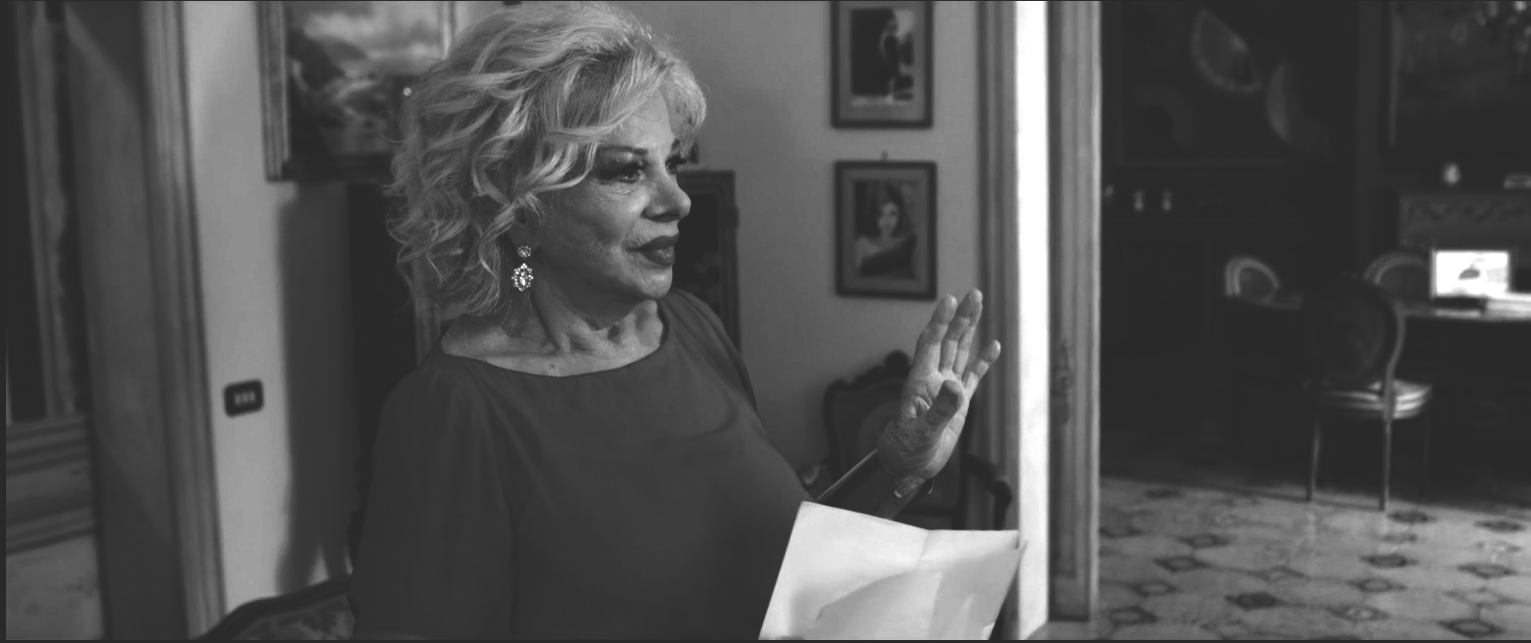
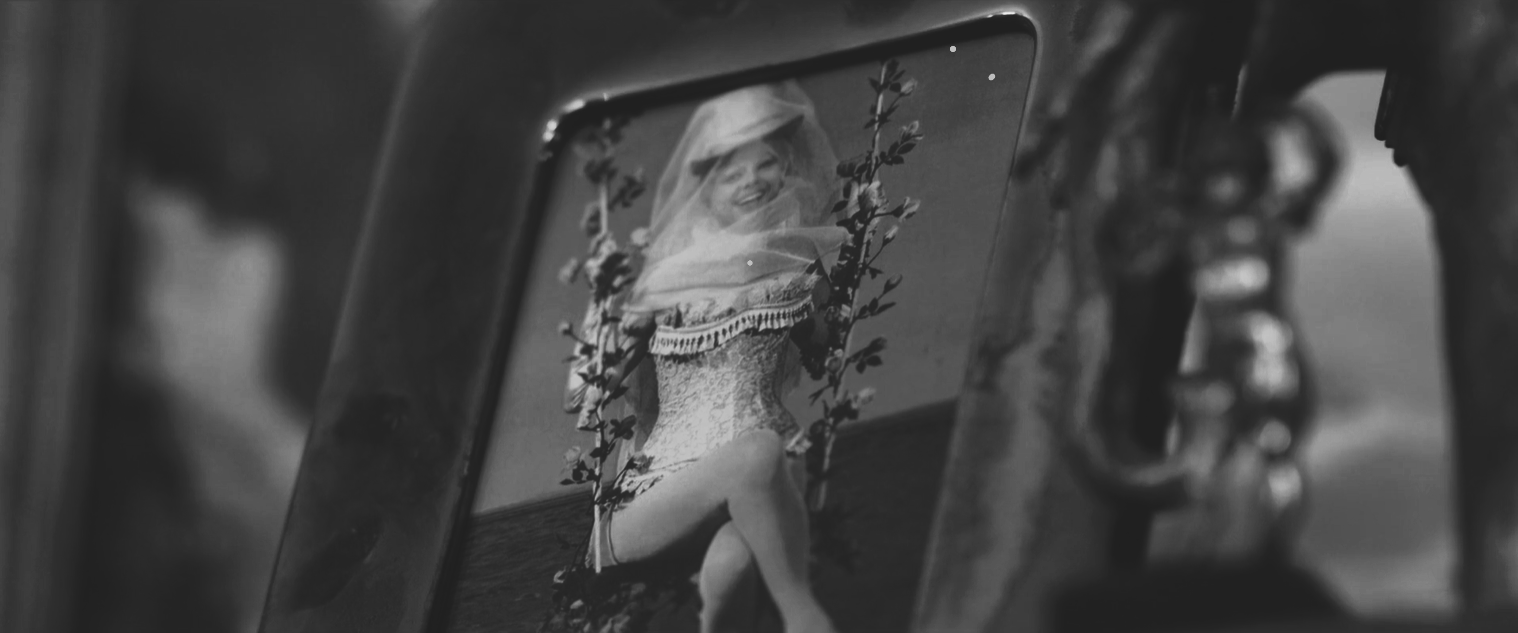
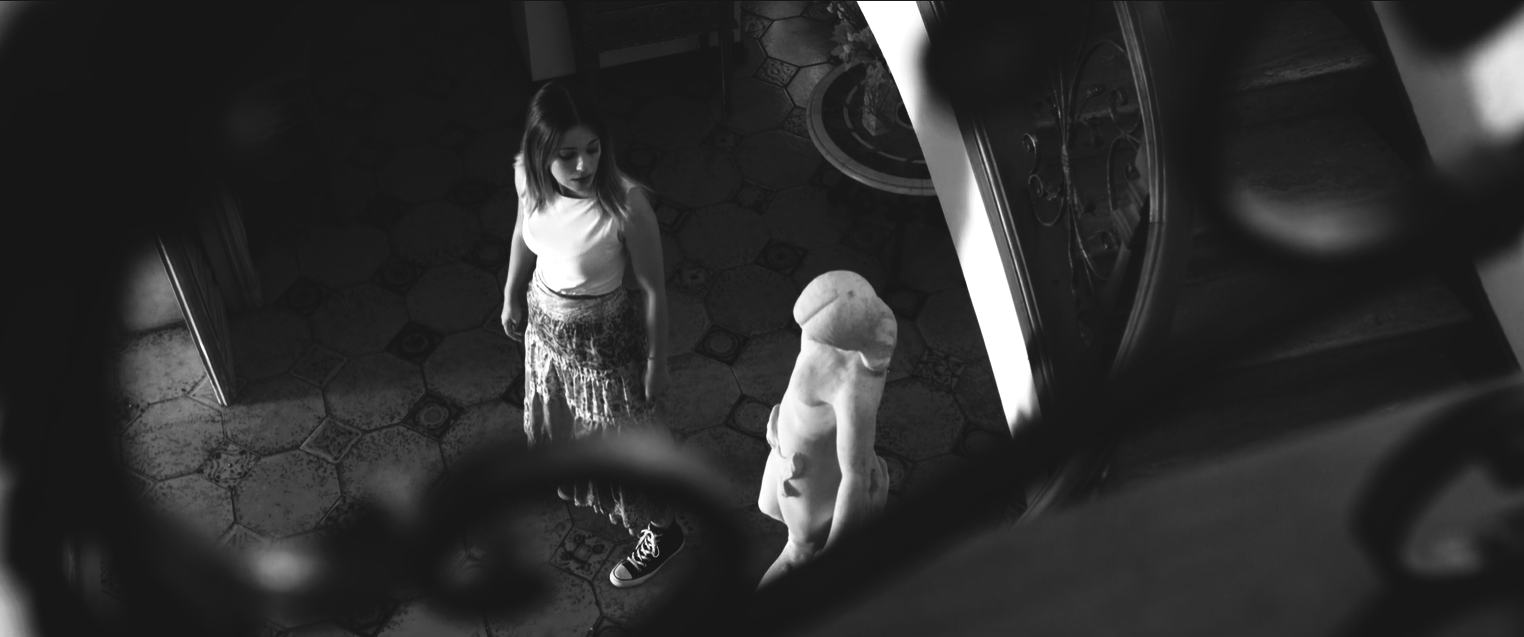
Viola, a young actress, visits Carla Monti — a once-celebrated star of Italian cinema — to rehearse for an audition. Inside the fading interior of Carla’s home, what begins as an ordinary acting session slowly mutates into something more unstable and uncanny.
As lines are repeated, gestures corrected, and roles exchanged, rehearsal gives way to possession. The domestic space becomes a chamber of mirrors, haunted not only by memory, but by the afterimage of cinema itself. Between performance and delusion, affection and cruelty, Eclissi unfolds as a psychological duel between youth and obsolescence, presence and disappearance.
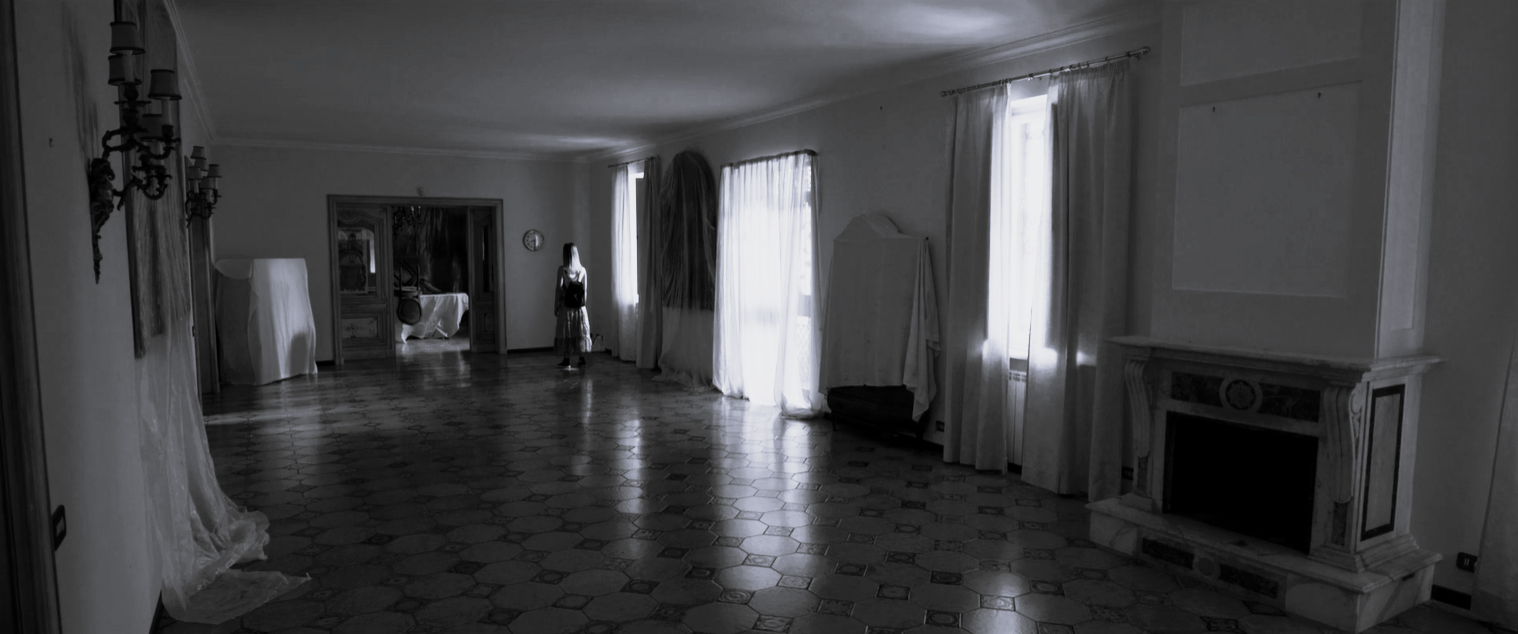
Set almost entirely within the apartment of a woman who may no longer belong to the present, the film is both an intimate confrontation and a spectral meditation on the fate of the image.
DIRECTOR’S NOTE
With Eclissi, I wanted to make a film about what remains after cinema has already happened.
The starting point was the figure of the actress — not simply as performer, but as vessel: someone who carries within her the sediment of films, eras, gestures, gazes, and vanished worlds. I was drawn to the idea of an actress who has outlived the mythology that once gave her shape, and who now exists in a suspended state between memory and erasure.
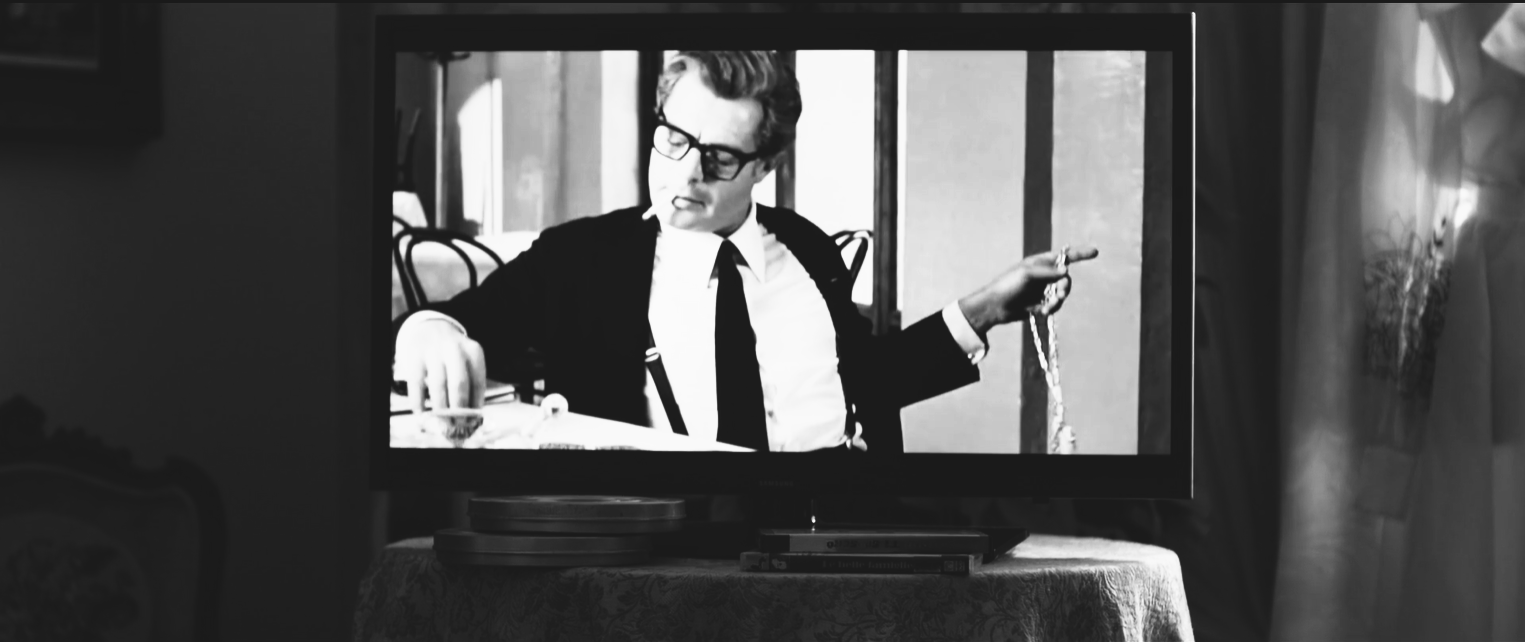
Sandra Milo was essential to this idea. The name Carla Monti is not accidental: it is the same name as the character she played in Fellini’s masterpiece 8½. In my mind, Eclissi begins from the impossible premise that this woman never truly disappeared — that she survived the frame, the set, the era, and now remains trapped somewhere beyond the historical life of the film. In that sense, Eclissi is not an homage, but a kind of spiritual continuation: a fictional afterlife for a figure left behind by cinema.
I was equally haunted by American cinema — by the cruelty and theatrical decay of Sunset Boulevard, and by the savage, almost grotesque violence with which Robert Aldrich confronted the ruined mythology of female stardom. Before shooting, Sandra and I spoke about Bette Davis — about the shock of seeing a face once associated with radiance pushed into a harsher, later, more terrifying register. That transformation stayed with me. I wasn’t interested in preserving the icon. I was interested in confronting what happens when the icon survives too long.
Formally, I approached the film as a chamber piece built around instability. I wanted the apartment to feel less like a realistic domestic space than a psychological enclosure — a place where rehearsal can become ritual, where identity can slip, and where performance itself becomes a form of haunting. The film moves through gestures, pauses, repetitions, corrections, and ruptures. I was interested in the contamination: the moment when a role ceases to be something performed and begins to invade the body.
At its core, Eclissi is about disappearance — not death, but the more ambiguous violence of forgetting. It is about the terror of no longer being looked at, and the equally terrifying possibility of surviving only as image.
MAIN CREW
Valerio Carta
DIRECTOR & WRITER
Gianni Mammolotti
CINEMATOGRAPHER
Ciro Formisano
EDITOR
Andrea D’Urso
PRODUCTION DESIGNER
Eleonora Viti
COSTUME DESIGNER
Francesco Neglia
COMPOSER
Simone Usai
SOUND DESIGNER
Sonia Giacometti
PRODUCER
Produced by
Inthelfilm
For screenings, collaborations, or access to the film, please get in touch.
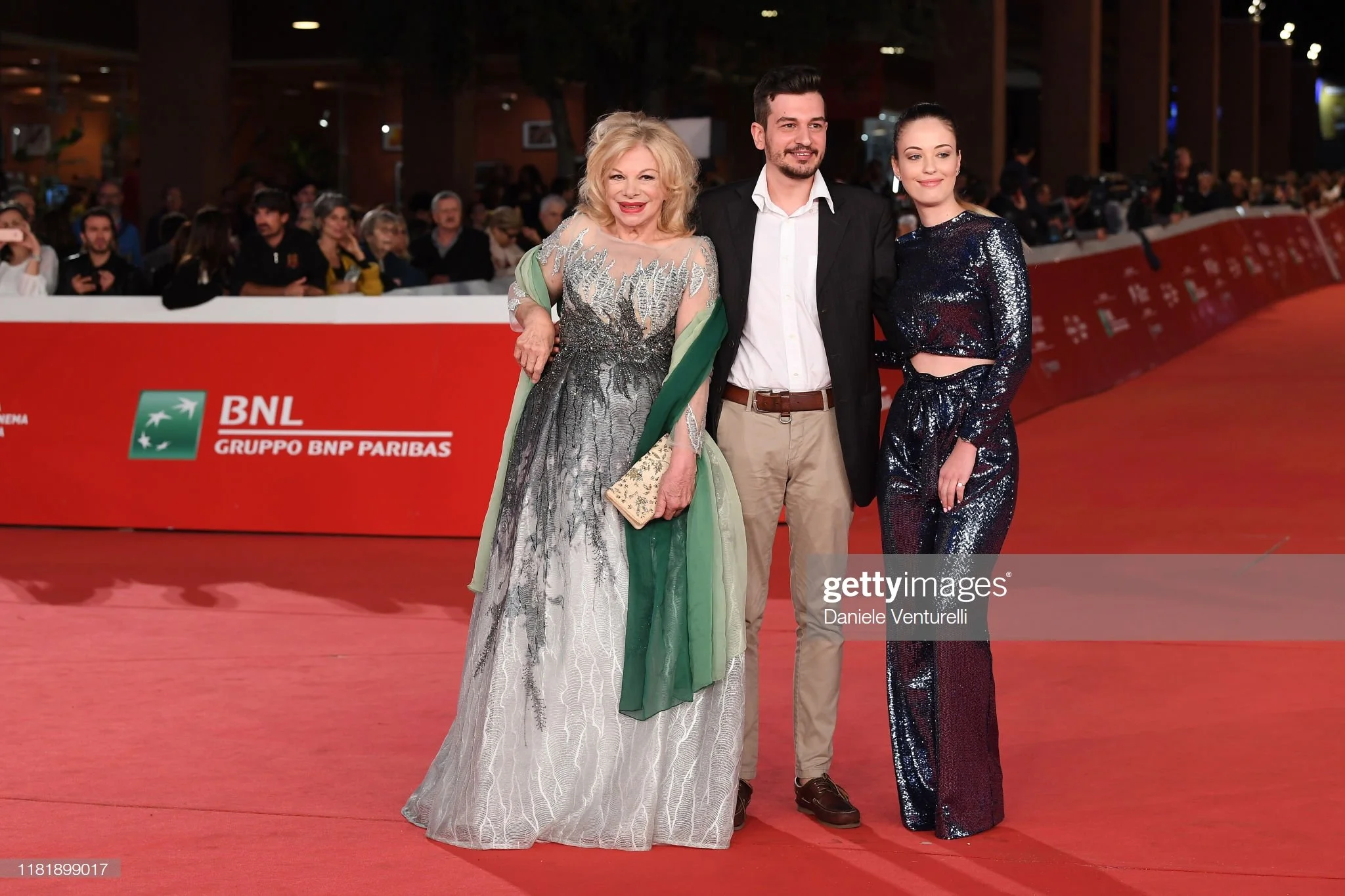
IN MEMORY OF SANDRA MILO
(1933 - 2024)
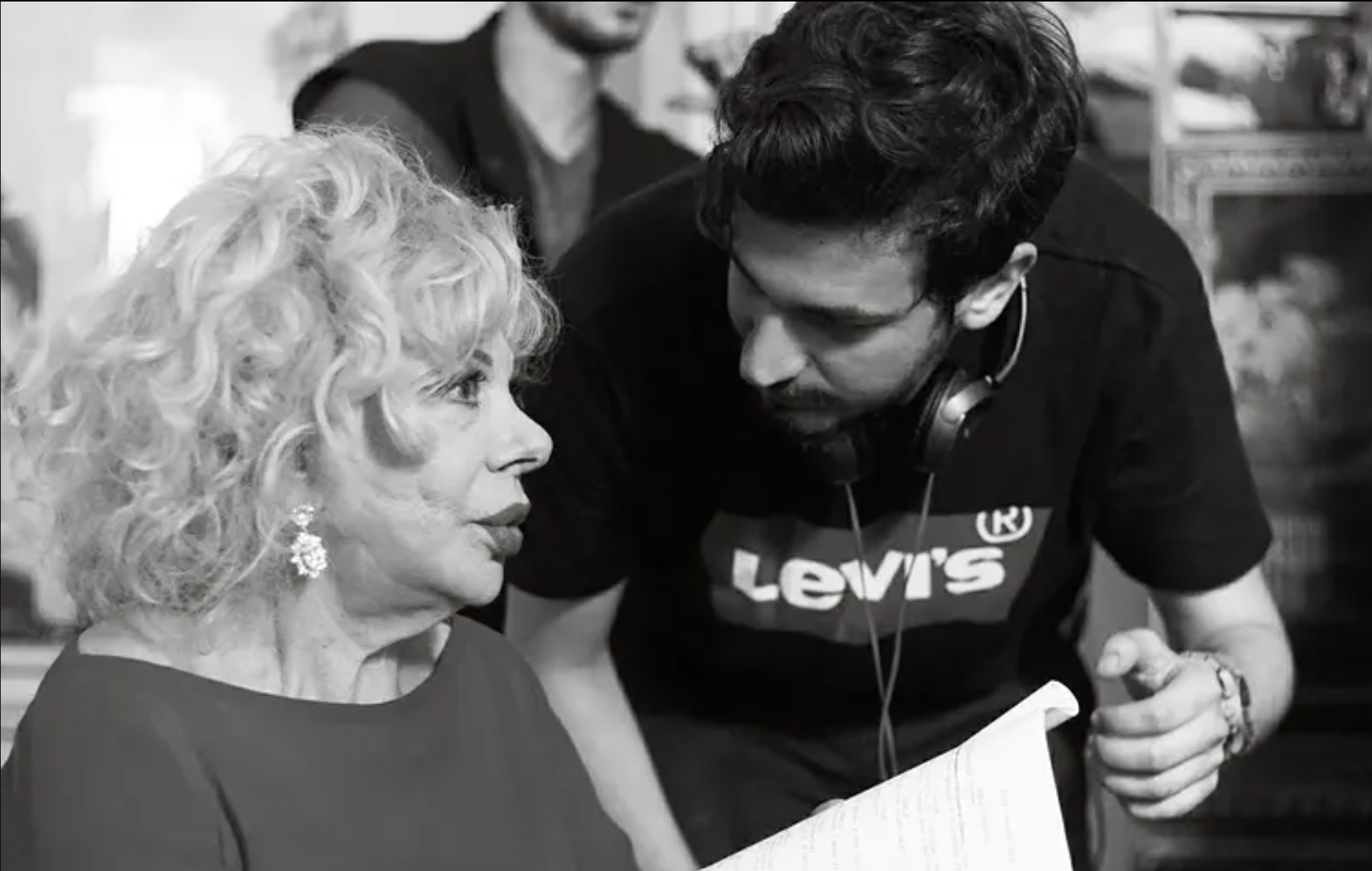
In 2019, I wrote a short film titled Eclissi. Influenced in part by the late films of Robert Aldrich and the shattered grandeur of actresses like Bette Davis, I always imagined it being carried by a true screen icon.
Through an improbable stroke of luck, I was put in contact with Sandra Milo. I was unknown, with no real standing in the industry, but she read the script. When we first had dinner together in Ponte Milvio (Rome), I recognized in her the same spectral radiance I had encountered days earlier while rewatching Fellini’s Juliet of the Spirits. It was the first time I truly felt what Federico Fellini once described: that cinema is a leap beyond the screen and into the infinite.
Sandra arrived with the screenplay already printed, and told everyone at the table that she wanted to do the film. She said she could already see a mature cinema inside it, despite my age. When I held both of her hands and told her that directing her would be the greatest emotion of my life, she replied — with tears in her eyes — that it was an emotion for her too.
More than anything, I remain grateful to Sandra for allowing me to cross that sacred distance between life and the screen.
For her, life was beautiful in its simplest form. I still remember something she told me over dinner after we travelled together to receive the Dino De Laurentiis Award: that you can understand a person by the way they behave when sharing a meal with others.
Goodbye, Sandra — though goodbye is not the right word. Ours is not a farewell, but an appointment deferred. We will meet again where we first encountered each other: at the cinema.
And every spring, I will recognize your embrace in the whisper of that small wind you loved so much.
Valerio
Toronto, Canada
2024